
Eczema Treatment Specialist In Hong Kong

Dr. Lee Hwee Chyen
MBBS | MRCP (UK) | FAMS (Dermatology)
Tired of dealing with Acne? Speak to us today for an accurate diagnosis and customised treatment plan.
What Is Eczema?
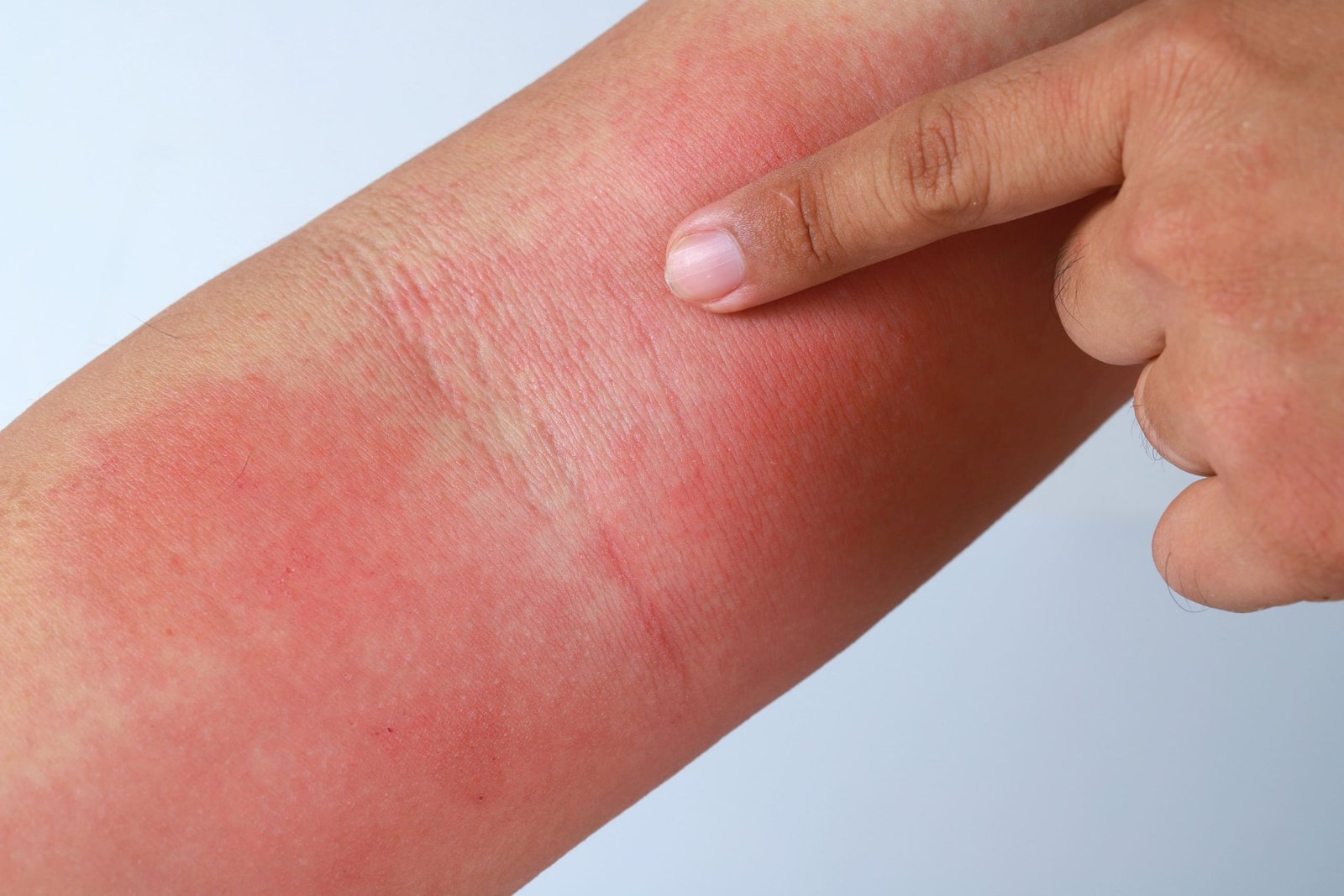
Eczema is a chronic skin condition that causes skin inflammation and itchiness. It can be triggered by multiple factors including allergens, irritants, or genetic factors.
- There are several types of eczema, such as:
- Atopic dermatitis
- Dyshidrotic eczema
- Seborrheic dermatitis
- Discoid eczema
- Asteatotic eczema
- Hand eczema
Sometimes eczema can also be a result of exogenous or external factors resulting in skin inflammation, this is known as contact dermatitis.
Atopic eczema (atopic dermatitis) is the most common form occurring in children and adults and often occurs in families with a background of asthma or hay fever.
Symptoms of Atopic Dermatitis
- Eczema presents with itchy, scaly red patches and dry, flaky skin. Sometimes, when the eczema is severe or infected it can result in pus-filled blisters, painful weepy areas and extensive crusting.
- The location of atopic dermatitis may vary with the age of the patient.
- Infants: generally located on the face, scalp, back of ears
- Older children: in the joint folds (e.g at the back of the knees, elbow creases)
- In some children, the rash can be extensive and cover the entire body.
Diagnosis
A dermatologist can diagnose eczema based on a clinical examination. Blood and skin tests are usually not necessary to make the diagnosis. However, sometimes additional tests may be required:
- Skin swabs: to check for secondary bacterial or viral infections
- Patch Testing: If contact dermatitis is suspected, a patch test may be performed to identify the cause.
Achieve Lasting Relief From Your Eczema
Consult our MOH-accredited dermatologist for an accurate diagnosis and personalised treatment plan.
Eczema Triggers
Here are some known triggers that can cause eczema flare-ups.
- Exposure to environmental allergens such as pollen, dust mites, pet dander
- Frequent contact with irritants such as harsh soaps, detergents, fragrances, and chemicals
- Dry or cold climates
- Stress
- Hormonal fluctuations
- Excessive sweating and exposure to high temperatures
- Viruses and other common infections
Treatment For Eczema
While eczema cannot be “cured”, there are many ways of controlling it. These include the following:
Avoidance Of Potential Triggers
Understanding and avoiding your triggers is an effective way to reduce flare-ups.
“Complete Emollient Therapy”
This involves regular application of moisturizers and using soap-free substitutes for bathing or showering.
Topical Treatment
This involves applying medication directly on the skin, usually in the form of topical corticosteroids or calcineurin inhibitors. This is the most common way to treat eczema.
Antibiotics
In some cases of infected eczema, topical and or/oral antibiotics may also be prescribed.
Oral Antihistamines
While these do not treat the inflammation in eczema, they can help with itch relief and improve the patient’s quality of life and sleep.
Dressings/ Wraps
Special dressings may be worn on top of creams to prevent scratching and improve absorption of topicals. Your dermatologist may encourage “wet wrap therapy” which is a special method to improve.
Treatment For Moderate To Severe Cases
For more moderate to severe cases, you may be prescribed other forms of treatment in the form of phototherapy, systemic (oral) immunomodulators or even injectable biologic therapy.
The choice of treatment(s) depends on the severity of the condition and how it is affecting the patient’s quality of life.
Speak to us to find out more!
Why Choose Us
Modern & Patient-Centred Dermatological Care
We are dedicated to your skin health and well-being. Our results-oriented approach is suitable for a wide range of hair, skin and nail conditions. Consult our MOH-accredited dermatologist for a personalised treatment plan.

Personalised Treatment Plans

Results-Oriented Approach

Focused Aftercare For All

Honest & Ethical Practices

Dr. Lee Hwee Chyen
MEDICAL DIRECTOR & CONSULTANT DERMATOLOGIST
MBBS (S'PORE) | MRCP (UK) | FAMS (DERMATOLOGY)
Special Interests In:
- Paediatric Dermatology
- omen’s Dermatology
- Procedural Dermatology & Lasers
Dr. Lee Hwee Chyen is an accredited Adult & Paediatric dermatologist managing a wide range of skin, hair and nail conditions. The clinic provides services for medical, surgical, cosmetic, women’s and paediatric dermatology.
- MBBS (National University of Singapore, Singapore)
- MRCP (Royal College of Physicians, United Kingdom)
- Specialist Accreditation Board, Dermatology (Singapore)
- AMS (Academy of Medicine of Singapore, Singapore)
Make An Enquiry
Fill up the form and we will get back to you as soon as possible.
Epi Dermatology & Laser
Specialist Clinic
Feel free to drop by our our clinic and meet our specialist
-
101 Irrawaddy Road #16-09
Royal Square at Novena, Hong kong 329565 - +91 7259905573
- info@epidermatology.com.sg
-
Mon - Fri (09:00am - 05:30pm)
Sat (09:00am - 1:00pm)
Sun & Public Holidays (Closed)
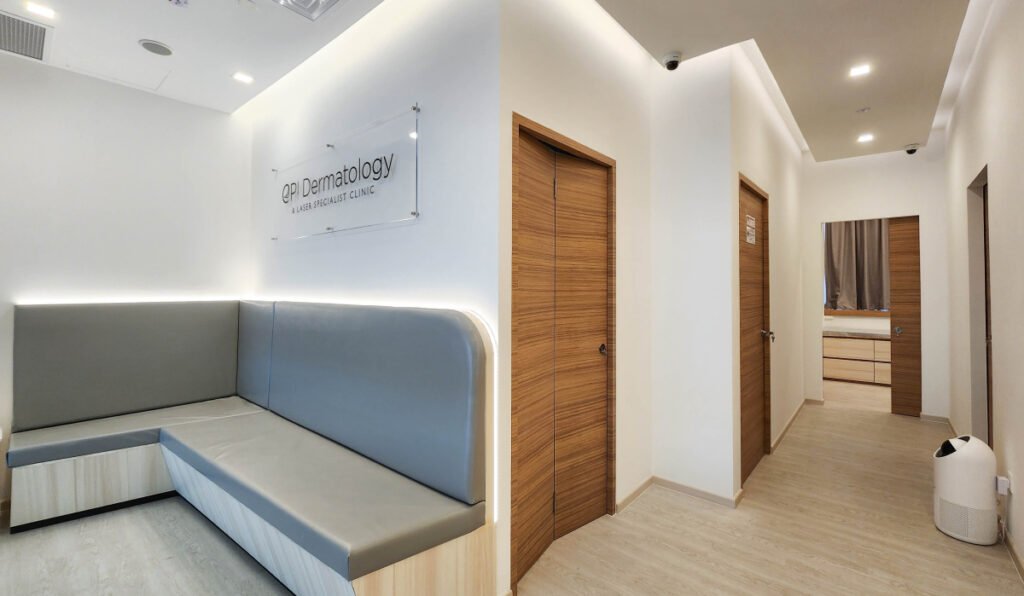
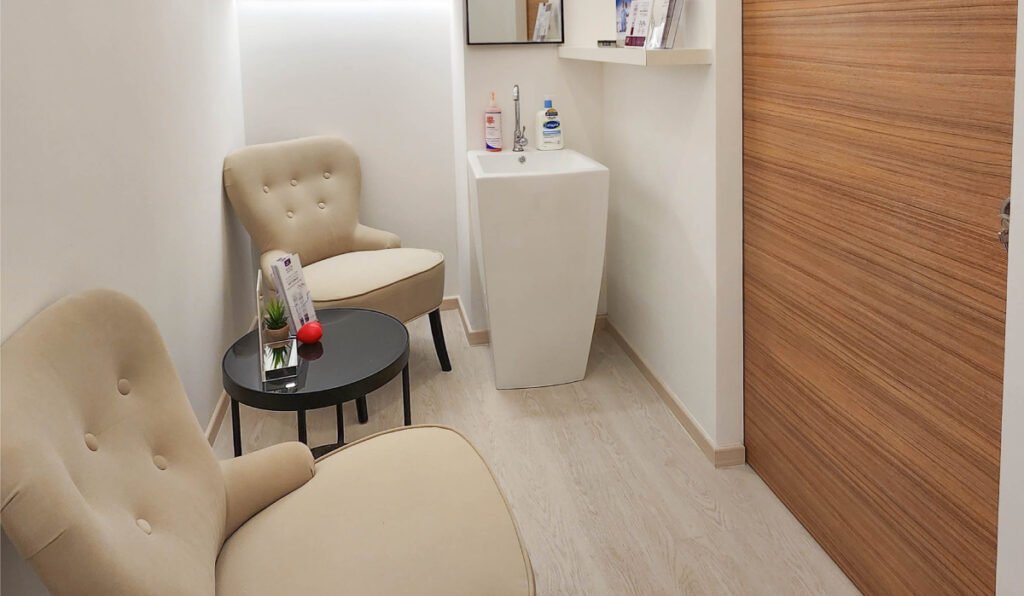
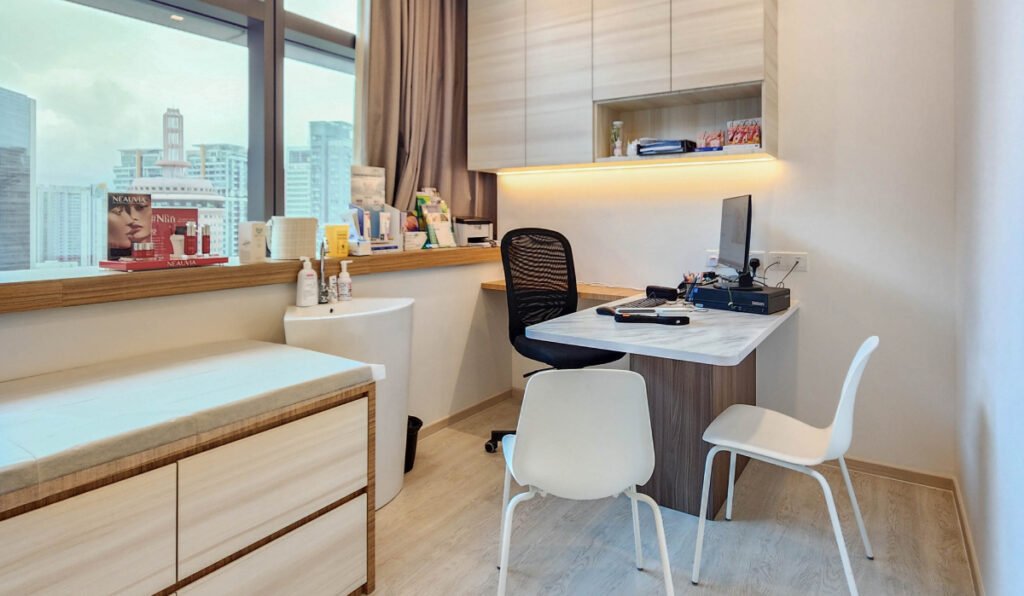
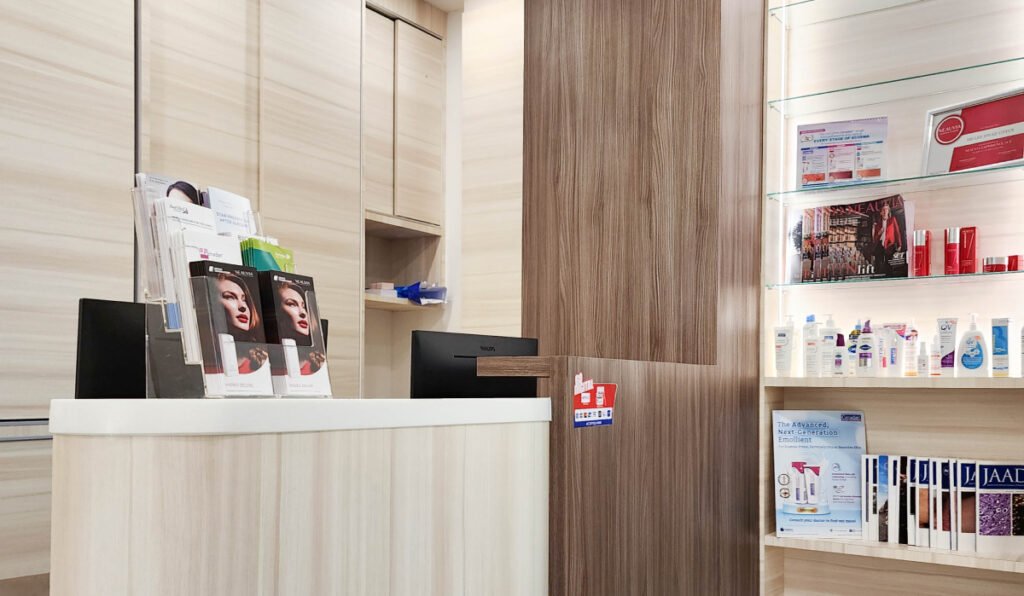
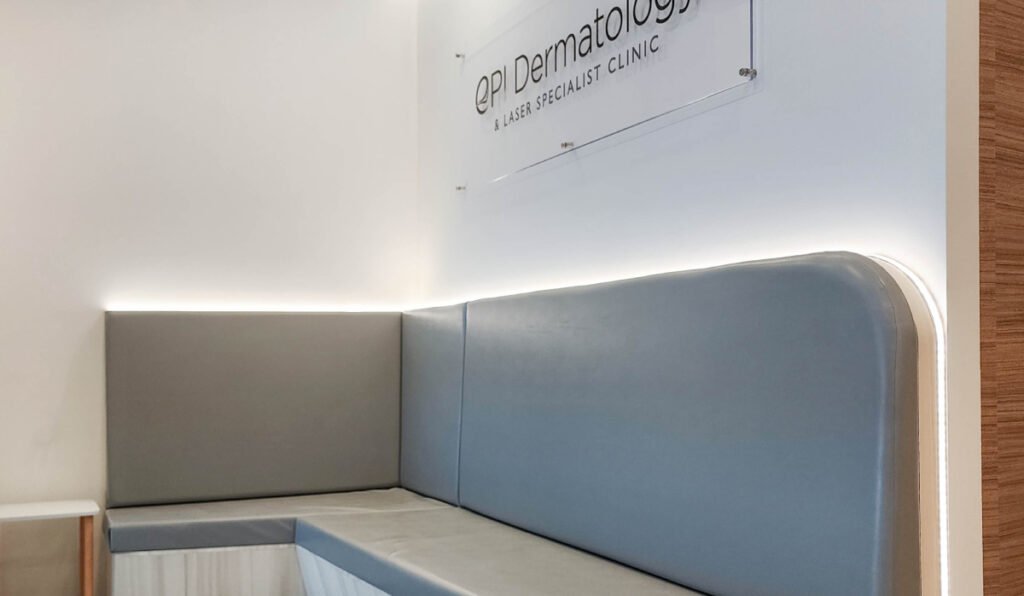
Our Clinic
Frequently Asked Questions
Is eczema contagious?
No, eczema is not contagious and cannot be spread from one person to another. It’s a chronic skin condition that results from an individual’s genetic predisposition and exposure to environmental triggers.
Can eczema be cured?
Psoriasis cannot be cured, but its symptomWhile there’s no cure for eczema, it can be managed effectively with lifestyle changes, medication, and proper skincare. Treatment typically focuses on reducing inflammation, relieving itchiness, and repairing the skin barrier.s can be managed effectively through various treatments and lifestyle modifications.
Is eczema hereditary?
Yes, eczema has a hereditary component and is more likely to occur in individuals with a family history of allergies, asthma, or hay fever.
Can stress cause eczema?
Stress can worsen eczema symptoms by compromising the skin’s barrier function and triggering the release of inflammatory substances.
How do I know if I have eczema or another skin condition?
A dermatologist can accurately diagnose eczema through a physical examination, evaluation of your medical and family history, and possibly additional testing, such as patch testing.